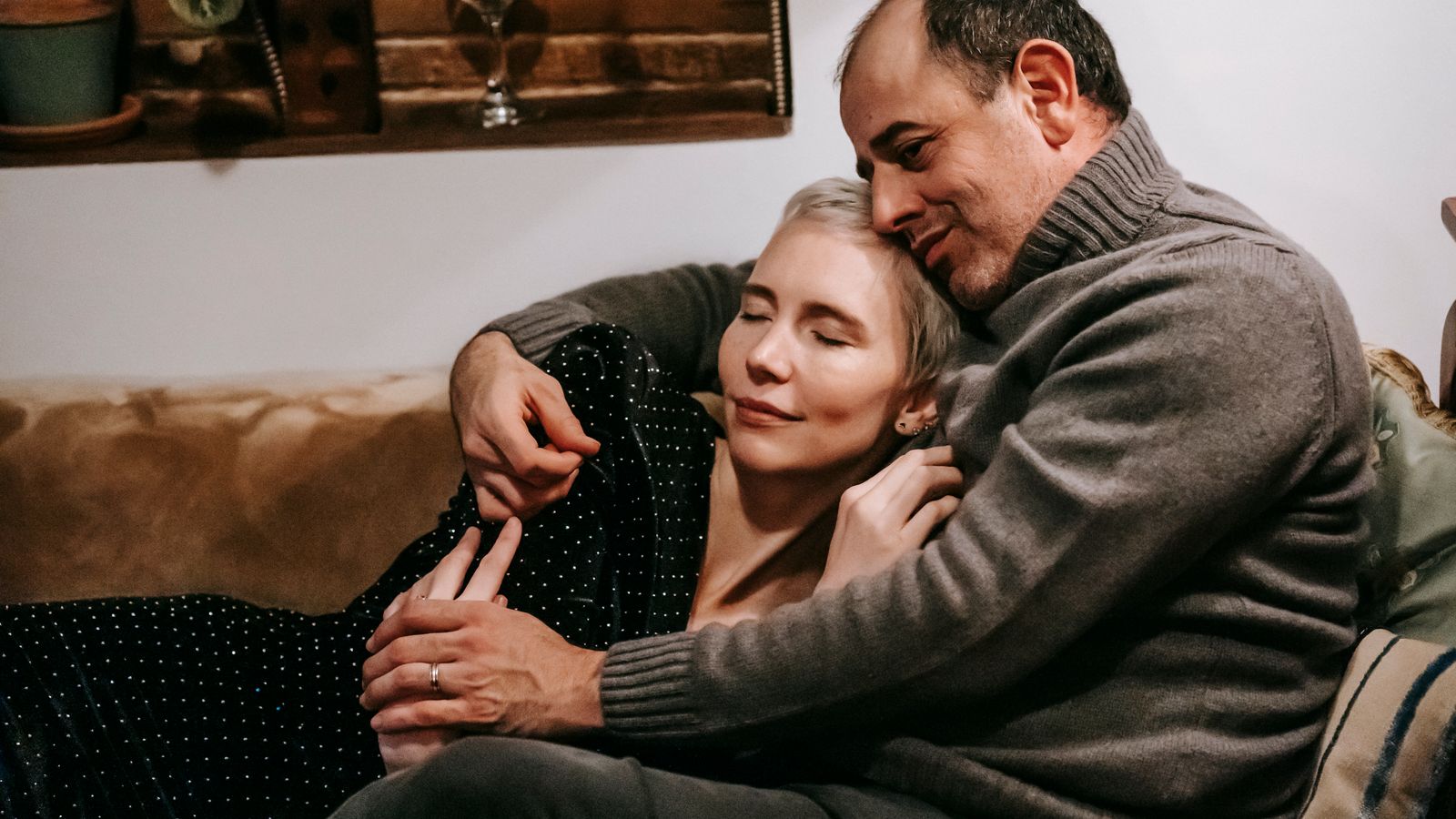
You like holding hands during a walk. You dislike a hand on your waist while you are chopping onions. Your partner thinks touch is touch. You have some useful geography to explain.
Body mapping for couples describes exploring or recording where and how someone welcomes touch, sometimes including sexual preferences. A useful starting point is a conversation rather than a tour of someone’s whole body. This original exercise lets each person choose what to name, what to keep private and whether to try any contact at all.
Treat the map as information, never permission
A map can capture preferences you choose to discuss. It does not grant access, certify consent or reveal a hidden diagnosis. The same touch can feel different depending on setting, pressure, timing and who initiates it. “Usually welcome” still leaves today’s answer open.
RAINN explains that sexual consent must be voluntary, specific and ongoing. A past yes or agreement to one activity does not permit another, and anyone can withdraw consent. Silence and involuntary bodily responses do not establish agreement. Apply the same respect for choice to nonsexual affection: ask about the actual contact now.
Start privately, with whatever detail you choose
If you both want to try this, each make a separate note or sketch. You can write words instead of drawing a body. Choose a few preferences you want your partner to understand; there is no requirement to include every area, private history or sexual detail.
For each example, describe the touch, the context and how you want to be asked. Use your own categories, such as welcome to discuss, depends on the moment, and avoid. A category is information for a conversation, not a challenge to move something into the “yes” column.
- Gesture: holding hands. Context: on a walk, when both hands are free. Ask: “Would you like to hold hands?”
- Gesture: a hand on my waist. Context: avoid while I am cooking or concentrating. Ask later about a different moment, without trying it first.
- Gesture: sexual touch. Context: only something I choose to discuss separately. Naming it on a map creates no expectation of trying it.
Compare one preference without negotiating the boundary
Share only the entry you want to share. The listener reflects the detail: “You like hand-holding on walks, but surprise touch while cooking interrupts you. Have I understood?” Accept corrections. Do not ask the person to defend a limit or tell the story behind it.
In the kitchen example, the next change is straightforward: leave the waist alone while the onions are being chopped. Later, ask whether any affection is welcome. The person who asked for less contact does not owe a replacement cuddle.
If your preferences differ, acknowledge that without making one person’s wish an obligation for the other. “I enjoy that kind of touch, and I hear that you do not” can stand on its own. Discuss a continuing mismatch away from contact, if both want to talk.
Choose an optional, specific next step
You can finish after the conversation. If both want to try contact, name one gesture, where it would happen and whether it is intended to stay nonsexual. Ask again in the moment. A previous note or shared plan cannot answer for the person who is here now.
Use direct feedback: “Lighter, please,” “Leave that area alone,” or “Stop.” Release contact immediately when asked. If someone becomes quiet, freezes or pulls away, stop and check; do not carry on to test whether they will relax.
A response such as “Of course, we can stop” keeps the next step clear. No target number of areas, required turn-taking or obligation to continue until both people enjoy something. Either person can end the activity without explaining or providing a substitute.
Keep sensitive information yours
Agree before making a shared record. You can keep individual notes private, share a small part verbally or keep no record at all. Do not photograph, send or store your partner’s notes without their agreement. Discuss who could access them, and remove a shared record when either person wants that.
Preferences can change. Revisit information when you want to, rather than using an old map to contradict a current no. You might say: “That used to be welcome. It isn’t what I want now.” No explanation of what changed is owed.
Know what this exercise cannot do
This is an original conversation aid, not a clinical body-mapping method, trauma assessment or treatment exercise. Do not infer past harm from how someone reacts to touch or use pressure to uncover a memory. You do not need to disclose private experiences to make a boundary valid.
If pain or persistent distress concerns you, seek appropriate qualified care rather than treating the map as a solution. Where refusal brings fear, coercion or ignored consent, seek confidential specialist support instead of a joint exercise. RAINN provides sexual-assault support in the United States; local services may be more suitable elsewhere.
After a welcome attempt, ask: “Did I understand what you meant, or would you change anything?” Listen to the answer, including “I don’t want to do this again.” The useful map is the one you can revise. The onions can keep their own corner of the kitchen.