You remembered their favourite pizza. You found the game they mentioned. Then your partner’s child walks past you and asks when you are leaving. Your partner looks at you. You look at the pizza.
Building a relationship with stepchildren can feel awkward even when everyone wants the household to work. You have chosen a partner; their child has not chosen a new adult in the same way. Start with a smaller aim than instant closeness: make ordinary time together respectful, predictable and free from demands for affection.
Agree your role before the next difficult moment
Raising Children Network recommends discussing your role with your partner and taking things at the child’s pace. Early on, it often advises that the established parent remain the main source of care and behaviour guidance. A romantic commitment does not settle those responsibilities automatically.
Before the next visit, discuss one actual situation: bedtime, school collection or a rude remark. Who explains the existing rule? Who responds if it is ignored? What help have you freely agreed to provide? “We’ll work it out” is a fragile plan when everyone is already upset.
For example: “I can make dinner on Thursday. You will handle homework and bedtime. If I am uncomfortable with something, I’ll tell you privately unless somebody is at risk.” Check any necessary permissions for school collection or care rather than assuming your new role grants authority.
Offer company that does not require a big reaction
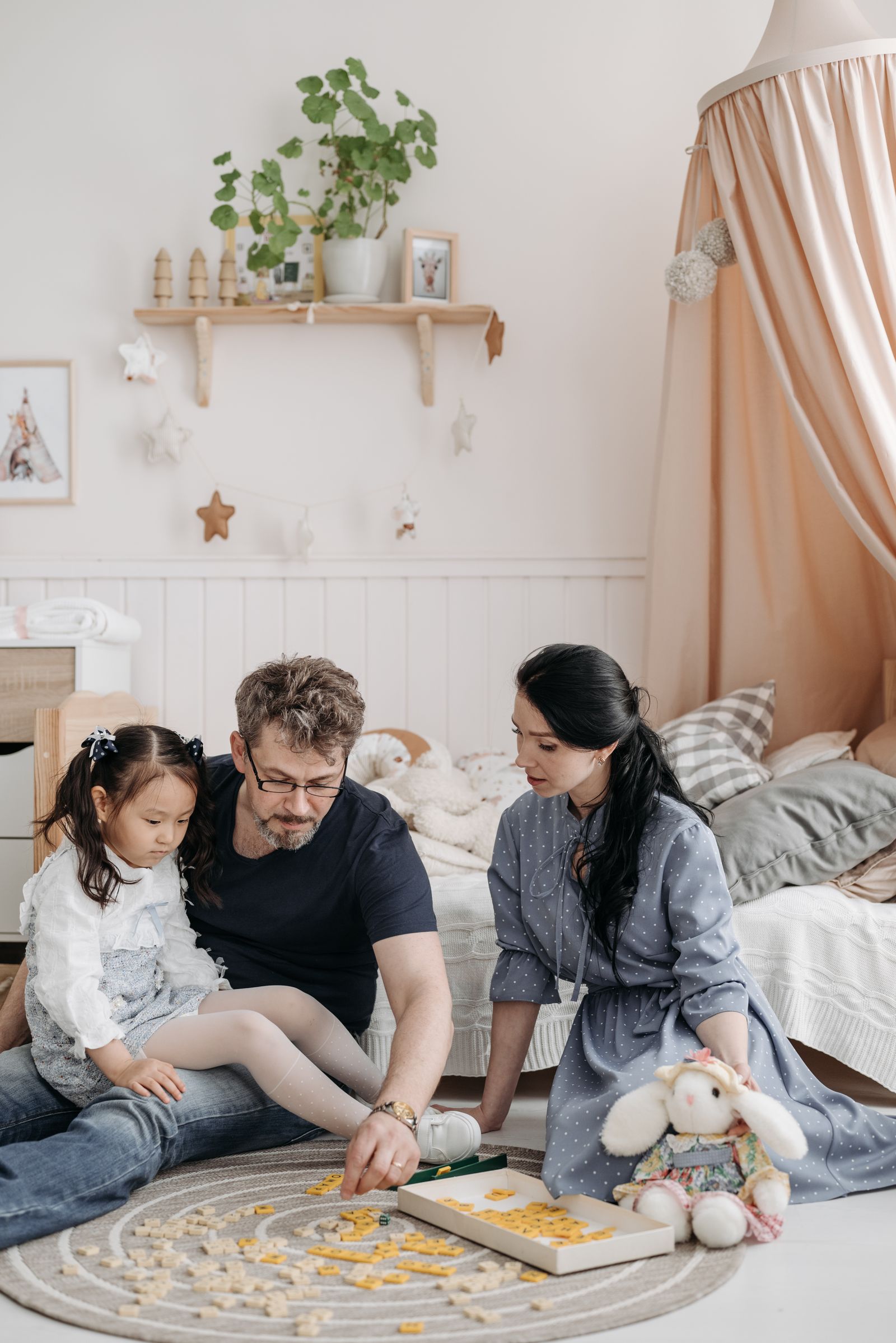
Choose an ordinary invitation connected to something the child enjoys. “I’m setting up the puzzle. You can join if you fancy it.” Leave room for a no, a short visit or watching without joining. One declined invitation does not need a family summit.
The American Academy of Pediatrics suggests finding shared interests and treating stepchildren respectfully. Use that as a starting point, without assuming any activity will earn affection or that every difficulty will disappear with time.
If they join a game, let it be a game. Avoid ending with “See, we had fun together!” or asking them to report whether they like you more now. You can say you enjoyed their company without requiring a matching declaration.
Keep promises small enough to keep. If you offered to bring the missing puzzle piece, remember it. If plans change, explain and apologise. Buying a bigger gift is not a substitute for doing what you said.
Source:American Academy of Pediatrics: advice for stepparents
When they say they do not like you
You can acknowledge the feeling without making the child responsible for yours: “You don’t have to feel close to me. I will still treat you respectfully.” Neither hugs nor parental titles should be a condition of belonging in the household.
Ask your partner to listen privately to the child’s concerns. There might be a specific problem you can put right: entering their room without asking, changing a familiar routine, or joking about something that mattered. Take an actual complaint seriously before interpreting everything as resistance to change.
If you crossed a boundary, name it: “I moved your things without asking. I’m sorry. Next time I’ll check with you.” Do not attach a request for affection to the apology. A repair can be necessary even if you feel hurt too.
Coldness and harm need different responses. A child declining a chat is different from threats or hitting. Make an age-appropriate safety plan with their parent and seek qualified help when needed. Do not insist someone tolerate danger to demonstrate patience.
Keep the adult relationship out of a loyalty contest
Leave space for the child’s relationship with their own parent. You do not need to join every outing or private conversation. Equally, being considerate does not mean you must provide unlimited childcare or accept decisions about your time without a say.
Tell your partner the adult issue directly: “When you promised I would collect everyone without checking, I felt taken for granted. Please ask before committing my afternoon.” That is more useful than “Your children always come first.” The first sentence identifies a change; the second invites a contest nobody should have to win.
Discuss couple disagreements away from the child. Avoid asking them to deliver messages, take sides or reassure you about the relationship. Keep your comments about their other parent respectful, and do not ask for information about that household to satisfy adult curiosity.
Try a plan for one ordinary visit
Write a few lines together before the visit. Name one familiar routine you will preserve, one optional activity, one responsibility each adult has accepted and how you will handle a change of plan. This is an editorial planning prompt, not a family therapy exercise.
For example: the usual Saturday breakfast stays; the child can choose whether to help with the puzzle afterwards; the parent handles the morning outing; you make lunch if you have agreed to. Nobody promises an entire day of shared fun.
Afterwards, review the adults’ choices rather than scoring the child’s warmth. Did we keep arrangements clear? Did someone feel pressured? What should we ask the child about? A quieter visit with fewer adult misunderstandings may be useful even if nobody wants a family photograph.
Get support before disappointment becomes the family rule
Raising Children Network describes a gradual approach rather than one correct way to be a step-parent. Avoid deadlines for loving, liking or accepting somebody. Family arrangements also differ with age, disability, grief, culture and previous experiences; a general guide cannot decide what your household needs.
If distress or conflict persists, consider a qualified family therapist experienced with stepfamilies. For concerns about a child’s wellbeing, speak with an appropriate child health professional. Suspected abuse or immediate danger needs specialist safeguarding or emergency support, rather than an exercise in bonding.
At the next meal, aim to be someone who listens, follows through and can admit a mistake. The pizza can be dinner. It does not have to be an audition.
This is relationship education, not family therapy, legal advice or safeguarding assessment. Seek qualified local support for safety concerns and emergency services for immediate danger.