A letter can belong to someone's past without deciding the future of your relationship.
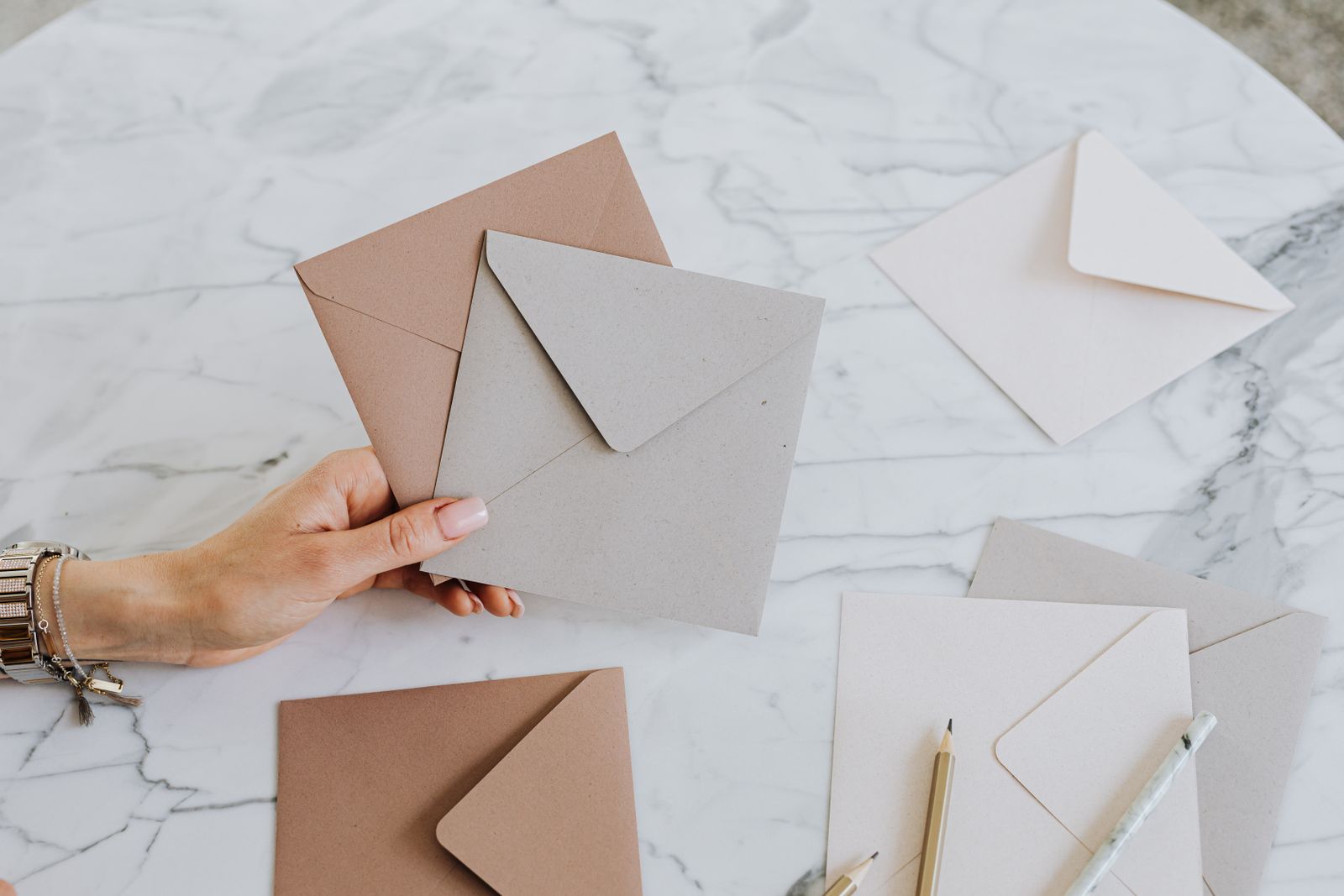
You are looking for the spare batteries when a folded envelope slips from a drawer. Your partner's name is on it, in handwriting you do not recognise. Suddenly the batteries seem less urgent. Old love letters from an ex can raise different questions for the person who finds them and the person who kept them. Before deciding what should happen to the paper, separate what you know from what you fear, and leave room for an honest conversation about the present.
An old letter cannot answer a present question
The envelope tells you that a letter exists. It does not tell you why it was kept, how often it is read or what its owner wants now. Someone might keep correspondence as a record of an earlier chapter, forget it is there or feel undecided about it. Ask rather than selecting the explanation that most frightens or reassures you.
If the letters are yours, consider what keeping them means to you today. Is it the relationship you miss, the person you were then, or simply a part of your life you want to retain? You can be uncertain. You do not need to invent a tidier answer to make a conversation easier.
Identify any present behaviour that actually concerns you: an undisclosed romantic conversation, comparisons that put your current partner down, or an agreement you have not kept. Address that behaviour directly. Disposing of a letter would not, by itself, settle a question about current contact or honesty.
Respect the privacy of the discovery
Finding an envelope while using a shared drawer differs from opening private correspondence to investigate a suspicion. If you accidentally find something, stop before reading further or copying it. Put it somewhere it will not be damaged. You can ask about what you saw without bringing every sentence into the discussion.
If you searched or read without permission, say so plainly if it is safe: “I looked through your papers and read a letter. I crossed a privacy boundary. I want to acknowledge that, and I also want to talk about the concern that led me there.” Owning the search does not require dismissing a separate breach your partner may have made. Keep both issues visible.
For saved messages or scans, do not use a known password as permission to browse, forward or delete. love is respect's digital guidance says people are entitled to privacy and control over their accounts. Apply that principle to digital keepsakes: ask before accessing or sharing them. A partner's private history need not become a group-chat exhibit.
Ask for context without asking for a verdict
If a conversation feels safe, begin with what happened and the question you need answered. “I saw an old envelope when I opened the drawer for batteries. I felt uneasy. What do those letters mean to you now?” gives your partner something specific to respond to.
Listen before adding a request. You might hear that the letters are forgotten, treasured as personal history, or connected to feelings that remain unsettled. An answer can be uncomfortable and still useful. Avoid asking for reassurance that contradicts what the person is telling you.
Name the concern underneath your reaction: “I am worried that you want to reconnect romantically. Can we discuss whether there is contact now and what we have agreed?” Or: “I am uncomfortable having the letters displayed in the room we share. Could we talk about where personal keepsakes live?” These are different questions, with different possible agreements.
If the letters are yours, explain without belittling the reaction: “I kept them as part of my history. I understand finding them surprised you. I can talk about what I choose now, but I don't want private correspondence read without permission.” You can care about the impact while keeping a limit.
Make room for memory and present reassurance
PACT founder Stan Tatkin describes simultaneous care as considering your own needs and your partner's together. For an ordinary disagreement about keepsakes, use it as a question: what would respect personal history while taking the current concern seriously? This is an editorial discussion prompt, not a therapy exercise or a requirement to agree.
Perhaps one person wants to keep a few letters privately, while the other wants shared shelves to reflect their life together. A freely chosen arrangement might be a personal folder, no display in shared spaces and a separate conversation about present commitments. The owner keeps the letters; the partner receives a clear answer about the concern they actually raised.
Another couple may discover that location was never the issue. One partner wants proof that they matter now. Ask what present action they are seeking, such as keeping an agreed plan or stopping hurtful comparisons. Do not promise access to every keepsake as the price of reassurance.
Source:PACT Institute, simultaneous care for yourself and your partner
Choose what happens to the letters without pressure
If they are yours, you can keep them, choose a smaller selection, store them away or let them go. Base that decision on what you want to retain and what arrangements you freely choose. You do not have to reread everything before deciding. You can also leave the decision for another day while discussing an immediate shared-space concern.
If they belong to your partner, ask rather than destroy, hide or dispose of them. Neither person needs to prove commitment through an irreversible gesture made during an argument. A request can be declined; you can then consider whether the actual arrangement works for you.
love is respect distinguishes assumed expectations from communicated boundaries and warns against pressuring someone to change a limit. Talk explicitly about what each person wants. An old agreement may also deserve review: was it mutual, clear and freely chosen, and is either person now asking to change it?
Apply the same principles to both people's belongings. If one person demanded disposal but kept their own letters, address the unequal treatment honestly. Reciprocity does not require identical sentimental preferences; it does require room for both people to speak and choose.
Notice what the conversation reveals now
Afterwards, check whether the question was answered, privacy was respected and any agreed change happened. You might still feel disappointed. That feeling deserves attention without becoming an instruction that the other person must surrender more belongings. If uncertainty or conflict keeps disrupting daily life, consider qualified individual support or couples support where both people can participate safely.
If raising the subject brings threats, intimidation or punishment, stop treating it as a keepsake negotiation. A confidential domestic-abuse advocate can help you consider safer options. The Hotline cautions against joint counselling where abuse is present because disclosures may be used against the person harmed. Use a safer way to seek support if your device is monitored; contact local emergency services in immediate danger.
The batteries are still in the drawer. The envelope may stay, move or leave by its owner's choice. What matters for your relationship is whether you can ask about the present, receive an honest answer and keep your dignity while doing it.
Source:The Hotline, joint counselling risks where abuse is present
These keepsake discussion prompts are relationship education. They cannot establish honesty, provide therapy or make an unsafe conversation safe.