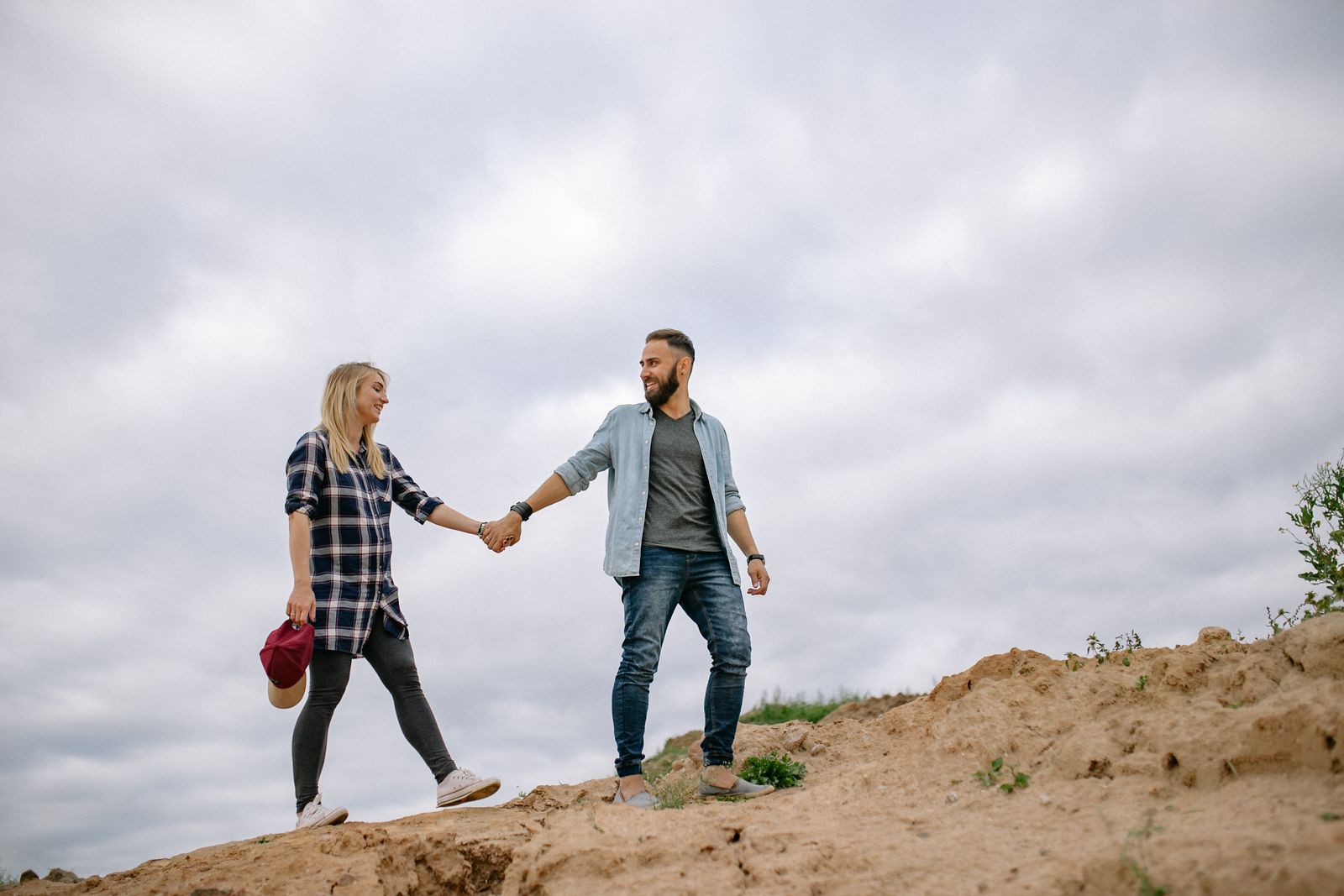
You both want to get out of the house. One person imagines a mountain. The other has pictured a bench and a sandwich. This is useful information to exchange before leaving.
Outdoor date ideas work better when “adventure” means something you both want to try. It might be an unfamiliar park, a short route with a view or a beginner session with an instructor. These twelve original plans include quiet choices and more active options. Choose according to access, time, cost and energy. A date should give you something to share, not an endurance test to pass.
Agree the size of the outing
Ask each other for a comfortable activity level, a total budget and a latest return time. Check toilets, seating, transport and whether the route suits your mobility. Give a surprise a clear outline, such as “outside, mostly seated, home by lunch”.
For walking trails, the US National Park Service advises matching the route to everyone’s abilities, checking weather and alerts, leaving a trip plan and having a backup. Use the relevant local land manager’s information for your destination. This list is not preparation for remote or technical activities.
Four gentle dates with something to notice
These work when you want fresh surroundings without making the day physically demanding.
- 1. One-view picnic. Choose an accessible place with a view you rarely stop to enjoy. Bring a simple meal, water and seating that suits you. Each name one detail you would usually miss while passing through.
- 2. Colour-spotting stroll. Pick a colour each and look for it along a short, agreed route. Photograph objects rather than strangers, and stay on permitted paths. Compare what caught your attention at the end.
- 3. Garden sketch pause. Visit a public garden or sit near plants at home. Draw the same leaf or shape for a few minutes, without picking anything. Share what you noticed rather than judging the drawing.
- 4. A familiar place at a different hour. Revisit a nearby park during a quieter daytime period when it is open. Bring a drink and ask what feels different. Check opening times rather than assuming early or late access.
Four local adventures that do not need a long journey
Give the outing a small purpose, then leave room for conversation instead of collecting every possible stop.
- 5. Architecture trail. Choose three public buildings within a manageable area. Notice a doorway, a material and a detail you would borrow for an imaginary home. Respect private property and photograph only where permitted.
- 6. Public-art route. Find two or three accessible sculptures or murals through an official local guide. Each choose a favourite and explain why. Check distances and terrain so the map does not hide a tiring walk.
- 7. Market ingredient mission. Agree a modest budget and choose one ingredient you both want to use later. Ask the seller how they enjoy it, if they have time. Buying nothing is also an acceptable outcome.
- 8. Local history stop. Pick one outdoor heritage site or signed history trail. Read a little about it together, then discuss what surprised you. Check entry charges, opening hours and accessibility before setting off.
Four more active options to choose together
For paid or instructed activities, verify availability, total costs, equipment and access directly with the provider. Either person can choose a gentler plan.
- 9. A short new trail. Pick a marked route within both people’s experience and current capacity. Agree a turnaround time, bring appropriate supplies and tell someone your plan. Turning back because conditions change is good planning.
- 10. Easy cycle-and-stop. Use a suitable local route and equipment you know how to use safely. Plan a rest stop and agree a comfortable pace. Check local rules and choose another activity if either person lacks confidence.
- 11. Beginner outdoor lesson. Look for a supervised activity both genuinely want to learn, such as an introductory nature-photography session. Check instructor credentials where relevant, equipment and cancellation terms. Learning together need not involve heights or water.
- 12. A cooperative park game. Bring a soft ball or a simple game you already own, where local rules allow it. Set a shared challenge rather than keeping individual scores. Adapt distance and movement to make participation comfortable.
Build a weather backup you would still enjoy
Choose the alternative before getting attached to the original plan: a local exhibition, a café within budget or something at home. Recheck conditions before leaving, especially for exposed routes. Avoid using “We have already planned it” as a reason to ignore a closure or warning.
If one person wants to stop, make stopping easy. “Let’s head back and find somewhere comfortable” preserves the chance to enjoy the rest of the day. You can feel disappointed about weather without making your partner responsible for rescuing the outing.
Bring back one thing you discovered
Ask, “What would you like to do again, and what would you change?” The answer might be a quieter route, a shorter journey or more time sitting still. Take it seriously before planning the next adventure.
You may come home with an interesting photo or simply the knowledge that you both prefer a small park to a large hill. That counts as discovering something together.