Back to blog

Relationship Advice You Can Use in the Next Conversation

Practical relationship advice for clearer requests, listening, accountability and shared work. Try one voluntary change without losing your boundaries.

Swooni Team4 min read
The editorial and research team at Swooni
Relationship Advice You Can Use in the Next Conversation
relationship advicerelationship advice for couplescouples relationship advicerelationship advice app

Worth keeping in mind

  • Name the actual moment and ask for a clear, manageable change.
  • Listening and apologies need follow-through; warmth does not redistribute work.
  • Keep boundaries and participation freely chosen, and seek independent support under abuse.

The washing-up request sounded simple. One person heard criticism; the other wanted to stop being the only one who notices the sink. Now you are arguing about the tone, and the plates are still there.

Useful relationship advice gives you something to say or do in a moment you recognise. Start with the actual difficulty: an unclear expectation, a request that goes unheard or a promise without follow-through. Those need different responses. You can approach each other with care while still asking for change. Being more understanding does not mean carrying the same unfair arrangement indefinitely.

Start with the actual moment

Describe what happened before deciding what it proves. “I asked about the kitchen, and we argued about how I said it” gives you a starting point. “You never care” leaves your partner guessing which action matters.

Relationship advice for men, women or people of any gender should leave room for actual preferences. Ask what your partner needs; do not assign emotional styles or responsibilities by gender.

Replace guessing with a clear request

Try: “I need to stop organising every evening’s clean-up. Can you own the kitchen after dinner this week?” Clarify what completion includes and whether the timing is manageable. A request leaves room for an honest answer, including a different workable proposal.

The Hotline describes healthy relationships through equality, boundaries and freely given consent. Respecting a no includes touch, sex, privacy and participation. Caring does not require surrendering those choices.

Research context: The Hotline: equality, boundaries and consent

Listen before defending, then repair your part

Instead of “You only notice what I do wrong”, try: “You’re tired of having to ask. Have I understood?” Let them correct you before adding your perspective. Understanding their experience does not mean agreeing with every interpretation.

The Gottman Institute calls small invitations to connect bids. When your partner says, “Look what happened today”, turn towards the invitation: “Tell me?” If you are occupied, offer a realistic time to listen and return.

Own the action you regret: “I dismissed the request. I’m sorry. Let’s work out tonight’s clean-up.” Then do what you agreed. An apology does not oblige your partner to forgive immediately or reassure you.

Research context: The Gottman Institute: bids and turning towards

Share whole responsibility and keep your own life

“Tell me what to do” can leave the noticing and reminding with one person. Define the whole job and let its owner manage it within agreed limits. Consider work, health and recovery when dividing responsibilities; equal item counts may hide unequal effort.

Stan Tatkin’s PACT guidance describes caring for yourself and your partner simultaneously. In everyday practice, name both needs: “We need a usable kitchen, and we both need rest.” Keeping friendships, quiet time and individual interests also belongs in the conversation. A boundary does not require a counteroffer.

Research context: Stan Tatkin: caring for both people

Try one voluntary change and review it

If you both feel safe and willing, choose one moment, name each person’s need and agree who does what. Review after a complete cycle: did the action happen, was it manageable, and who still had to remind? This is an original practice suggestion, not therapy.

Adjust an unclear plan. Address repeated ignored agreements directly rather than making one partner supervise more closely. Appreciation can be welcome while the workload still needs changing.

Choose support beyond everyday advice when needed

Persistent distress may need an appropriately qualified professional. Under abuse, The Hotline advises against joint counselling because disclosures can be used against you. Seek confidential specialist support independently, through a safer contact method if monitoring concerns you. Immediate danger calls for local emergency help.

You do not have to keep explaining more gently to earn basic respect. Back at the sink, useful advice leaves you with a clearer arrangement and something to observe next time, rather than another promise to communicate better.

Research context: The Hotline: joint counselling and abuse

Quick answers

Frequently asked questions

Which relationship advice should we try first?

Choose one recurring moment. Name the need, ask what each person can realistically do and agree one observable action. Review what happened rather than adopting every tip.

What if only one partner follows through?

Discuss the missed agreement and its impact. Repeated neglect needs accountability, not more reminders from you. You can seek individual support and decide what you can accept.

When is everyday relationship advice insufficient?

Persistent distress may need qualified professional care. Threats, coercion or fear call for independent specialist support; a joint exercise cannot make abuse safe.

Your everyday couples app

Make room for your relationship.

Meet Swooni, a couples app with daily questions, shared habits, and tools for everyday connection.

Download on the App StoreGet it on Google Play

The Gottman Magic Ratio made accessible for everyday couples.

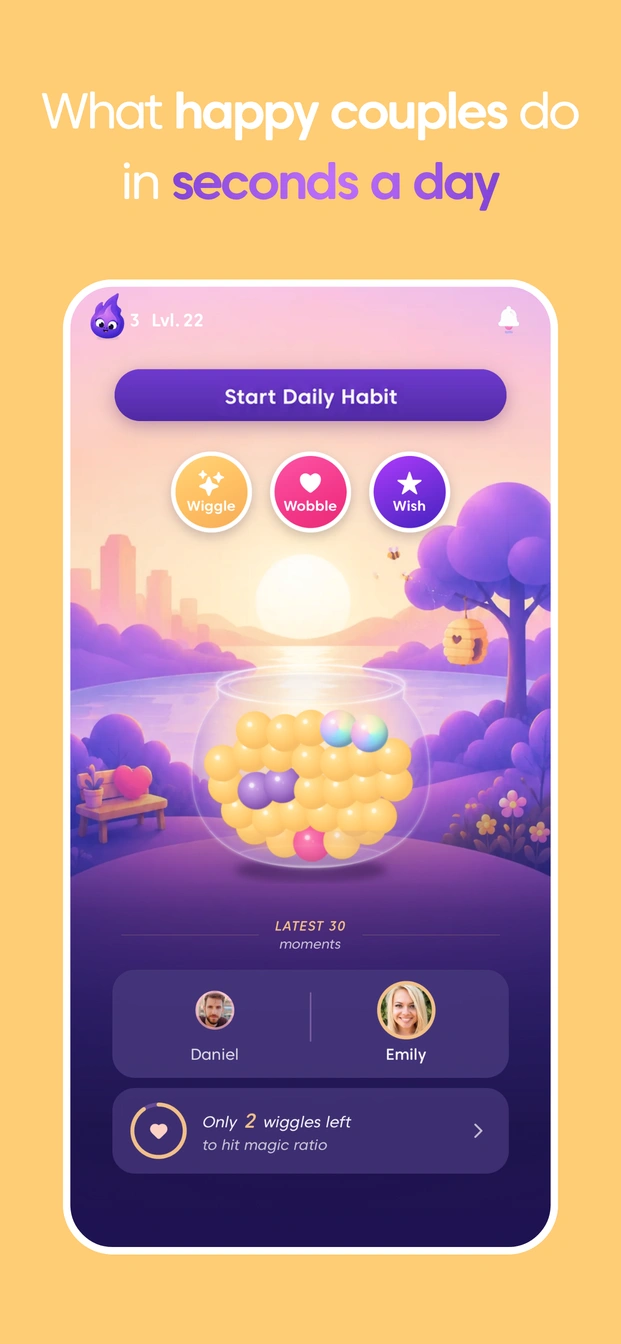
Swooni Daily Habit screen with a couple's positive moments and Magic Ratio

Evidence and further reading

Sources behind this post

Open the original research and expert resources referenced above.

Our mission

We're making the scientific formula for lasting love accessible to every couple, everywhere.