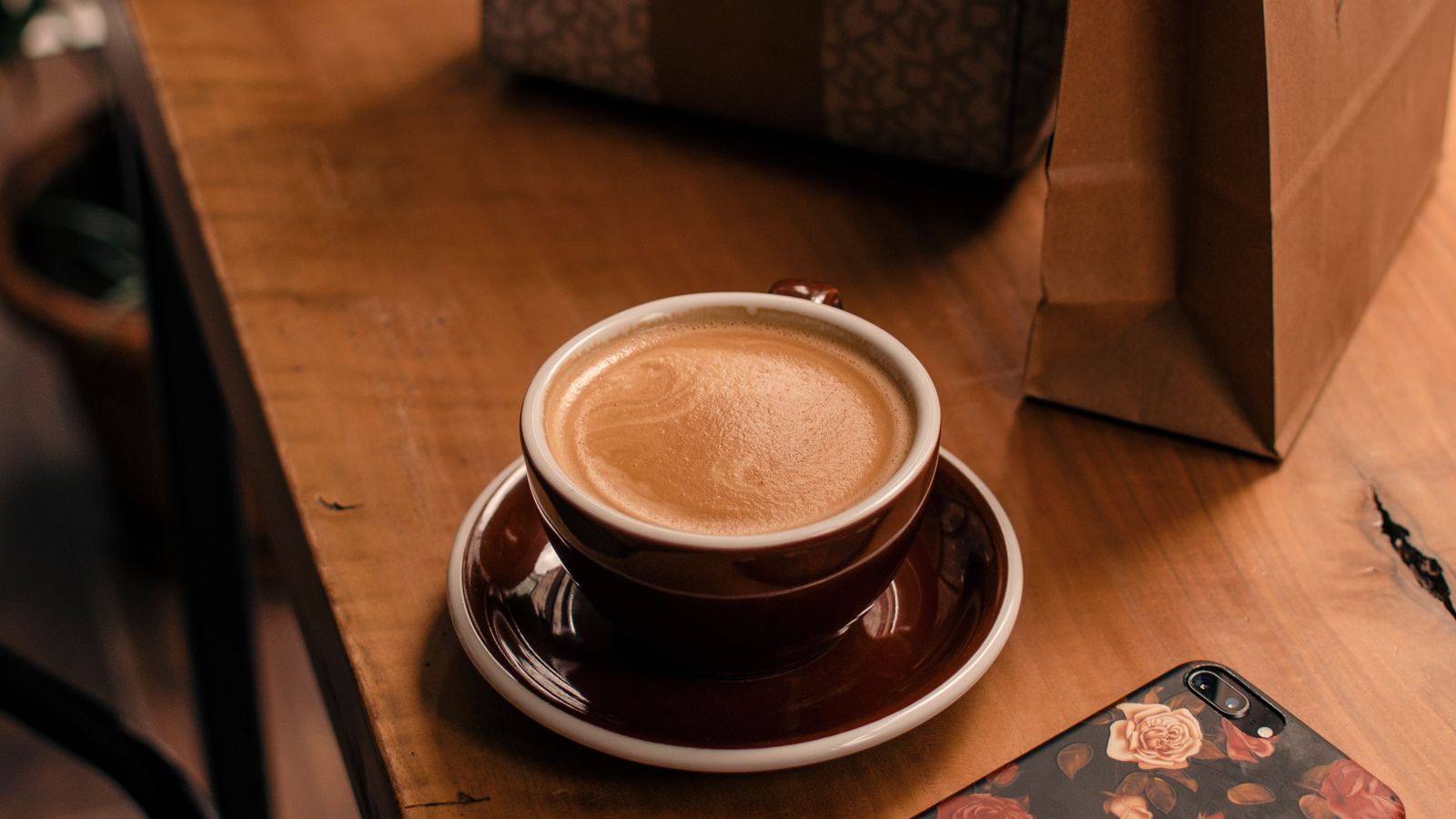
The photo is lovely: two mugs on a café table, your partner’s coat on the next chair. You have already thought of a caption. Before posting, there is one person you need to ask who is not in the comments.
To soft launch your relationship is to share a small hint of it online without necessarily naming or showing your partner. The phrase describes a posting choice, not a stage you must reach. A hint can still reveal a face, location, routine or identity. Begin with what each person genuinely wants shared, then choose something enjoyable within that permission. You can also keep the memory between you.
Agree on the post before choosing the mystery
Ask about the particular image, caption, audience, tags and timing. “Would you be comfortable with this photo and these words going to my friends?” is clearer than asking whether they mind social media in general.
love is respect recommends discussing digital boundaries, including public relationship status, tagging and posting. Permission can change; previous comfort is not permanent consent. Keep passwords private, and do not treat access to an account as proof of commitment.
A private audience cannot guarantee privacy: someone may save or share the post. Avoid an image that relies on nobody recognising a distinctive detail. Do not post live locations or information your partner wants kept private. If you disagree, leave the disputed post unpublished while discussing your own wishes.
1. Share the object from a day you enjoyed
Choose something ordinary you both agree can be shown: a postcard, a small drawing or the oddly shaped loaf you made. Caption it with the activity: “An ambitious afternoon of bread.” The object can carry the memory without requiring your partner to become the photograph.
Check backgrounds for names, addresses and other people before sharing. A keepsake does not need to explain your relationship to everyone who sees it.
2. Use the second place at the table
An agreed image of two place settings can hint at company. “A good lunch, with better conversation” is one possible caption. Choose an angle without faces, receipts or recognisable details your partner wants private.
An empty chair does not make someone anonymous if the location and time identify them. Post later if that better fits both people’s privacy preferences.
3. Make a small shared project the story
Photograph the puzzle, plant label or finished painting you worked on. Describe the project, rather than inviting the audience to identify a hidden person: “Our drawing styles remain very different.”
Ask before using “our” to imply a relationship publicly. A partner may welcome the artwork being shared while preferring a caption that does not announce who helped.
4. Choose a sentence without a photograph
A text-only post can say a little: “There has been some lovely company lately.” Agree whether that level of disclosure feels welcome. Keeping an image out does not remove the need to discuss what the words reveal.
Avoid posting screenshots of private conversations. A message sent to you is not automatically a contribution to your feed.
5. Share a detail you both chose
If each person wants to appear indirectly, you might photograph two pairs of boots after a walk. Check whether clothing, a tattoo, a reflection or a familiar doorway would identify somebody.
Treat cropping as part of the creative choice, without promising that it guarantees anonymity. If recognition would create a serious concern, choose something else or do not post.
6. Keep the celebration inside a chosen circle
You could send an agreed image to a small family chat or close-friends group instead of a public feed. “A happy afternoon together” may be all you want to say.
Confirm who is in that group and whether your partner is comfortable with those recipients knowing. Ask others not to repost, while acknowledging that you cannot control every copy.
7. Tell the story of the place, after you have left
An agreed photograph of a view or exhibition detail can hold the memory without showing either person. Use your own words about what you enjoyed: “Stayed longer than planned to look at this.”
Check venue photography rules and avoid showing strangers or private details. Keeping the relationship hint subtle should not require sharing a location somebody wants concealed.
8. Choose the version you do not publish
Make a private album, print the photograph or keep a short note about the afternoon. This is a valid choice when one person enjoys recording memories and the other does not want an audience.
You can revisit public sharing later if both people want to. There is no deadline after which privacy stops being compatible with a meaningful relationship.
Keep the relationship out of the guessing competition
Agree a reply to questions before posting: “I’m keeping the details private, but thank you.” Avoid hints designed to provoke an ex, test your partner’s jealousy or make friends do investigative work. Other people do not need access because they are curious.
If your partner dislikes a post, take their concern seriously. Remove material they did not agree to and discuss what can be repaired. Deleting cannot guarantee that every saved copy disappears.
Privacy and secrecy that breaks a real agreement are different questions. If a wider concern is being kept outside someone’s life, discuss it directly. No particular post settles whether real commitments are being respected. For pressure, threats or monitoring, seek confidential specialist support rather than trying another announcement.
You can save the café photograph tonight. If you later share it, let the caption be the last decision, after the people in the story have had their say.

