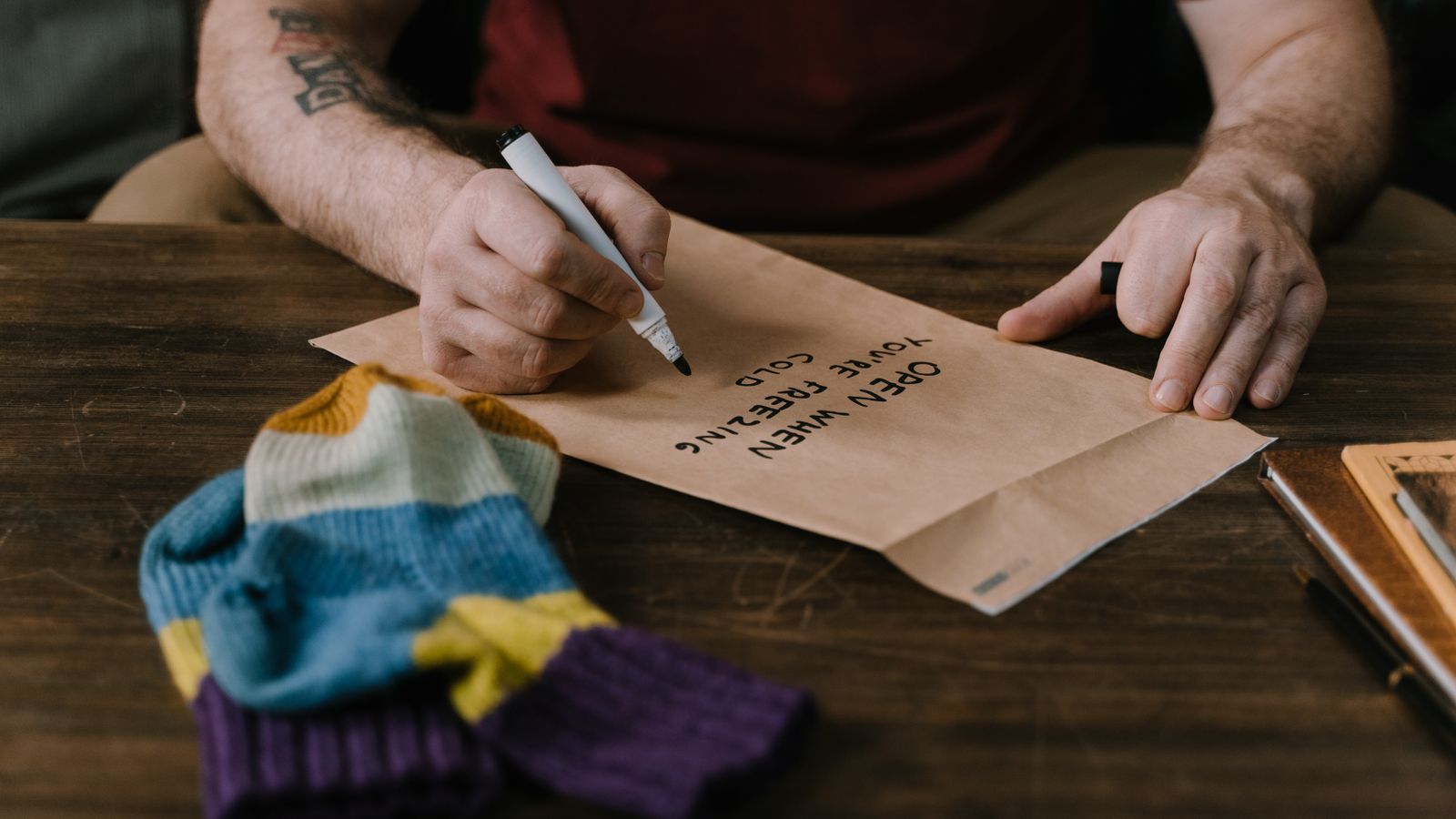
The cursor blinks after “You can trust me.” It sounds reassuring. It also leaves your partner guessing what, exactly, you are promising to do.
These trust quotes for a relationship include twelve original messages from our editorial team and one short literary quotation. Some recognise reliability already shown; others make room for honesty, privacy or uncertainty. Choose words that fit the situation, then attach a true detail. A polished sentence cannot stand in for the action it promises.
One literary line, with its speaker kept in view
“Love all, trust a few, Do wrong to none.” William Shakespeare, All’s Well That Ends Well, Act 1, scene 1. The Countess gives this advice to her son Bertram before his departure. It is a fictional parent’s counsel, not a therapist’s instruction or a guarantee about romantic trust.
You might use it as a starting point for a reflection about kindness and judgement. Keep the author and work with the quotation. The twelve messages below are our original wording; do not attribute them to Shakespeare, another writer, a therapist or a founder.
Source:William Shakespeare, All’s Well That Ends Well, Act 1, scene 1
Three messages for reliability you have actually noticed
Use these original lines when you want to recognise something real. They need not imply that every concern is resolved or that one useful act proves a whole future.
- “Thank you for telling me when the plan changed, while I still had time to change mine.”
- “I appreciate that you came back to the question when you said you would.”
- “You kept that conversation private. I noticed, and it mattered to me.”
Add the occasion rather than a claim about perfection. “You messaged before I left work, so I could rearrange the pickup” gives the thanks something specific to refer to.
Three messages for a promise within your own control
Choose an original line only if you intend to act on it. Replace impossible assurances about never causing worry with a description of the conduct you can own.
- “If I cannot keep the plan, I will tell you instead of hoping the problem disappears.”
- “I will ask before sharing something you told me privately.”
- “I would rather give you an honest answer than a comforting promise I cannot keep.”
A practical limit can belong beside the promise: “I can send you the booking details tonight. If the time is still unconfirmed, I’ll tell you what remains undecided.” The person making that commitment owns the preparation it needs.
Three messages when trust is still uncertain
These original words leave room for an unfinished decision. Use them only if they are true and contact is welcome; a message should not reopen a conversation somebody has declined.
- “I can recognise what you did differently and still need time to decide what I want.”
- “I am willing to talk about what happened. I am not promising reconciliation.”
- “My apology does not decide when you should trust me.”
If you caused harm, name the conduct and responsibility plainly. Do not send a quote in place of that acknowledgement or ask the injured person to comfort you about your regret.
Three messages that leave privacy and choice intact
Trust language should not demand access to a whole life. These original lines make room for personal limits while keeping actual commitments discussable.
- “You can have private conversations and still answer honestly about the commitments we share.”
- “You can say no to my request without having to prove that you care.”
- “I want an agreement we both freely choose, not a promise made to end an argument.”
Avoid pairing the words with a demand for passwords, constant location checks or forgiveness. If refusal brings threats or fear, seek confidential specialist help rather than using this page as a shared exercise.
Edit the message until it sounds like your own voice
Try this original writing aid: select a line, name the moment behind it and remove any claim you do not mean. Read it aloud. If it sounds like a speech, shorten it. There is no minimum number of beautiful sentences required.
For example, Ellis starts with the line about returning to a question. They write, “You remembered that we had not finished talking about the move and made time on Sunday. Thank you for coming back to it.” The message recognises an action without claiming the decision is settled.
For a public caption, leave out private arguments, health information and messages unless the people involved welcome sharing them. Keeping the note private is a complete option. If contact is unwanted, write for yourself without sending it.
The cursor can stop after one honest sentence. Its next job belongs to what you do.

