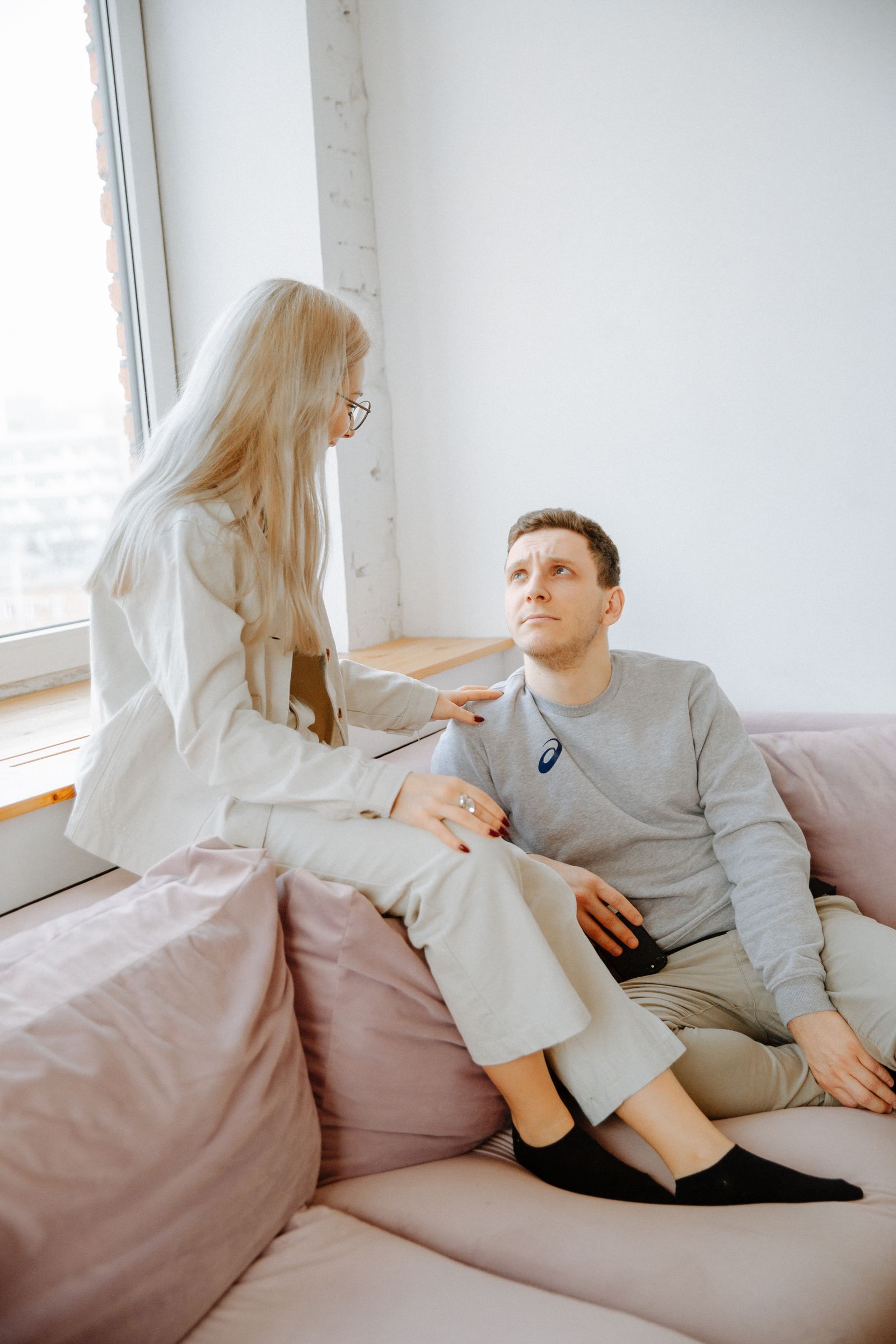
The World Health Organization estimates that 15.8% of people globally experienced loneliness during 2014,2023. That is about 1 in 6 people. It is a population estimate, not a diagnosis or a claim about any specific person, couple, or country.
The key numbers
WHO combined 23 datasets covering 153 countries and territories. Its 95% uncertainty interval was 12.8% to 20.1%, so 15.8% should not be treated as an exact worldwide headcount.
Global estimate
15.8%, or about 1 in 6
Uncertainty
95% interval: 12.8% to 20.1%
Period
2014 to 2023
Evidence
23 datasets, 153 countries and territories
Loneliness is not isolation
Loneliness is the distressing gap between the connection someone has and the connection they want. Social isolation means having too few relationships or interactions. Someone can be alone without feeling lonely, or feel lonely in a crowded room or beside a partner.
The average hides differences
WHO estimated 20.9% for ages 13,17, 17.4% for ages 18,29, 15.1% for ages 30,59, and 11.8% for people 60 and older. It also estimated 24.3% in low-income countries versus 11% in high-income countries. These are broad estimates, not stereotypes or local forecasts.
What it does not tell us
The estimate does not mean 1 in 6 couples are lonely or unhappy. Partners are only one part of a wider social world that can include family, friends, colleagues, and community.
How to cite it
Keep the source, estimate, period, and scope together. Say “WHO estimates” and “people globally,” not “couples.”
The World Health Organization estimates that 15.8% of people globally, approximately 1 in 6, experienced loneliness during 2014,2023. The 95% uncertainty interval was 12.8%,20.1%.
Keep a link to the original WHO report beside the number so readers can check its scope and definitions.
What couples can do
Use the statistic as context, not a score. Ask, “Did you feel alone in anything today, even while we were together?” Then listen, protect ten undistracted minutes, or ask what support would help.
If loneliness is persistent, severe, or connected with depression, self-harm, abuse, or immediate danger, seek qualified local professional or emergency support. An app or partner should not be the only support system in a crisis.