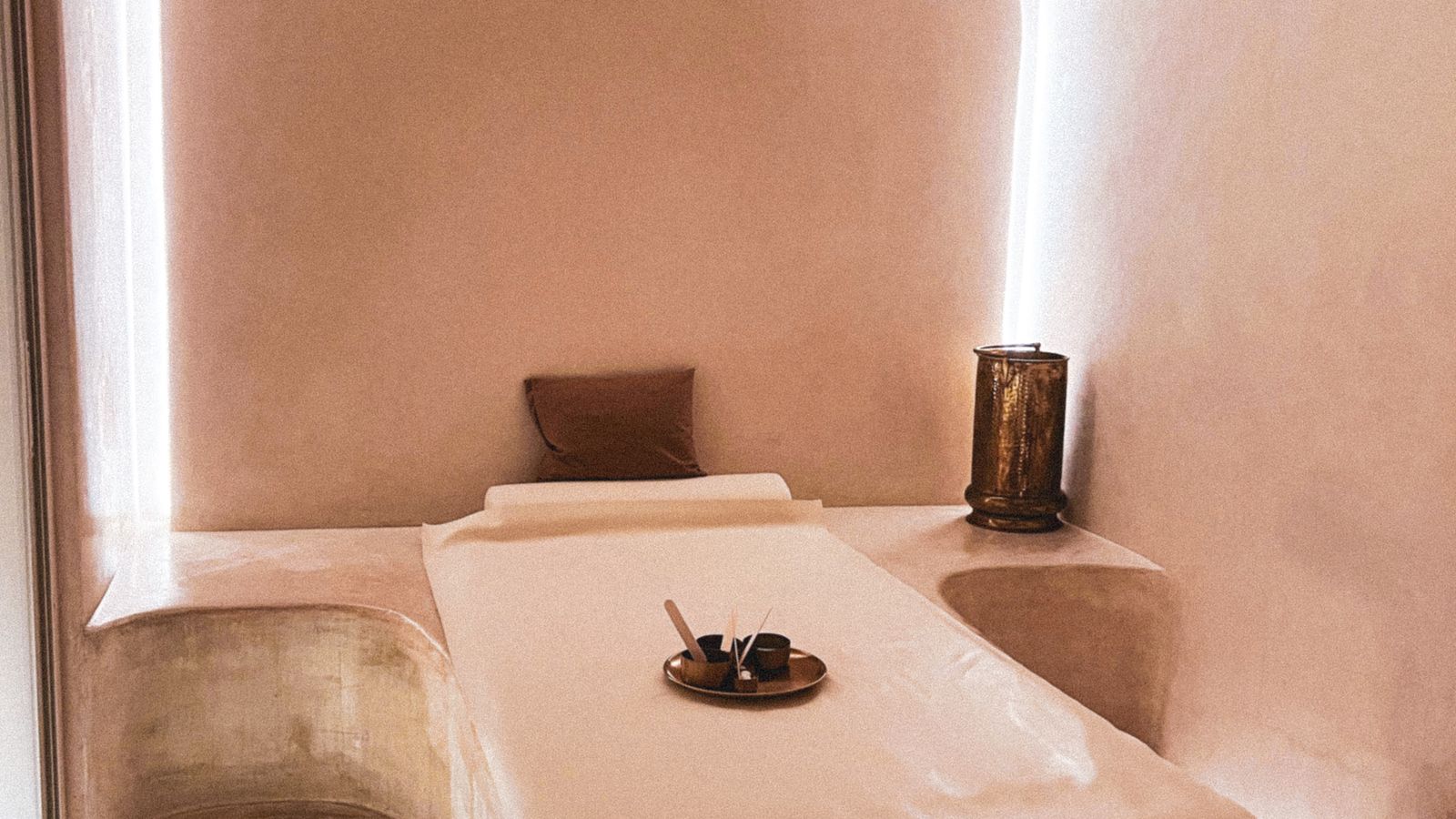
You have found a couples-massage voucher. Your partner asks, “What would I have to wear?” The booking page has plenty to say about bliss, and surprisingly little about that.
What is a couples massage? Usually, it means two people receiving professional massages at the same time, on separate tables in a shared room or space. It does not mean you massage each other. Before buying the experience, check the exact setup, each person’s wishes and the provider’s answers. A thoughtful date begins before the payment screen.
Understand the booking behind the name
Soothe, a massage provider, describes the format as side-by-side appointments with two practitioners. That is one provider’s description, not a recommendation. Confirm the room, number of practitioners and timing with the business you are considering; a package name alone does not settle the details.
Ask whether each person can choose their own massage style and preferences. You do not need identical appointments to share the time. At-home professional services also exist, but ask about space, equipment, access and privacy rather than assuming any room will work.
A joint booking can be something you both enjoy, but it does not promise a closer relationship or repair an unresolved disagreement. Choose it because the actual experience sounds welcome, rather than expecting the setting to do emotional work for you.
Source:Soothe: a provider’s description of the couples-massage format
Check whether this is a date you both want
Ask before buying a non-refundable voucher: “Would you enjoy a massage together, separate appointments, or a different kind of afternoon?” Keep all three answers real. Being happy to spend time together does not mean being comfortable with professional touch or a shared treatment room.
In the voucher example, one person may like the idea but want privacy while changing. The other may prefer a walk and a café. Find out which part matters before proposing a solution. “We could book separately and meet afterwards” is an option only if both want it, not a smaller obligation after a no.
For an anniversary or birthday, keep surprise inside agreed limits. The particular venue can be a reveal after the activity, availability and spending are settled. If neither person wants massage, close the voucher page and choose another welcome plan.
Ask the provider about people, price and practicalities
NCCIH recommends asking about a practitioner’s training, experience and credentials, as well as cost. Check qualifications relevant to the service and any local professional requirements. Ask how you can raise a concern. Attractive room photographs cannot answer those questions.
Get the full quote and cancellation terms before committing. Include travel, any care arrangements and extras you might otherwise assume are included. Ask whether the advertised time includes consultation and changing, and leave enough room afterwards to get ready without rushing.
- Will there be two practitioners in the same room, and can we discuss preferences separately?
- Can we choose different approaches, and what happens if one of us wants to stop?
- What are the clothing, covering and changing arrangements? Are private options available?
- Is the price for both people? Which extras are optional, and what are the cancellation or rescheduling charges?
- Can you accommodate our access needs, and what should each person discuss with their practitioner before the session?
Source:NCCIH: massage therapy, safety and choosing a practitioner
Make clothing and private information clear beforehand
AMTA’s consumer guidance says clients remove clothing only to their comfort level, change in privacy and are covered except for the area being massaged. Ask the provider how these arrangements work in a shared room. You do not have to remove clothing to match your partner.
Ask separately about anything you want kept private. For example: “I’d like to discuss my health information with my practitioner without my partner present. How can we arrange that?” Sharing the date need not mean sharing every part of the consultation.
Follow the provider’s preparation instructions after your questions are answered. If the arrangements do not fit your comfort or needs, choose a different service or activity. Neither a gift nor money already spent creates an obligation to accept touch.
Source:American Massage Therapy Association: what to expect at a session
Keep your own voice during the appointment
AMTA describes clients’ ability to consent to techniques, request pressure changes and stop the massage. Speak directly to your own practitioner. “Less pressure, please,” “Please avoid that area,” or “I want to stop” gives clear information without a lengthy explanation.
Your partner does not need to answer for you or persuade you to continue. Each person can want a different level of conversation, music or quiet. If something feels inappropriate, stop and ask how to report the concern; do not endure it to protect the mood of the date.
Source:American Massage Therapy Association: what to expect at a session
Separate a pleasant plan from medical care
If you are unsure whether massage is suitable for you, NCCIH advises discussing that with your healthcare provider. Do not use a spa booking to delay professional care for a medical problem. Share relevant information with the practitioner and ask about your individual circumstances; this guide cannot assess suitability or recommend a treatment.
Before deciding, each finish this original planning note: “I would enjoy…, I want to ask about…, and my spending limit is…” Compare answers, check the unknowns and book only if both want to proceed. No booking is a valid outcome.
Afterwards, ask what you would keep or change: the privacy arrangement, timing, journey or choice of activity. One person may want another appointment while the other does not. The voucher need not become a couple tradition.
The useful answer to “What would I have to wear?” is specific enough to let your partner choose. You can then plan an afternoon with two willing people, whether it contains massage tables or a café table.
Source:NCCIH: massage therapy, safety and choosing a practitioner